


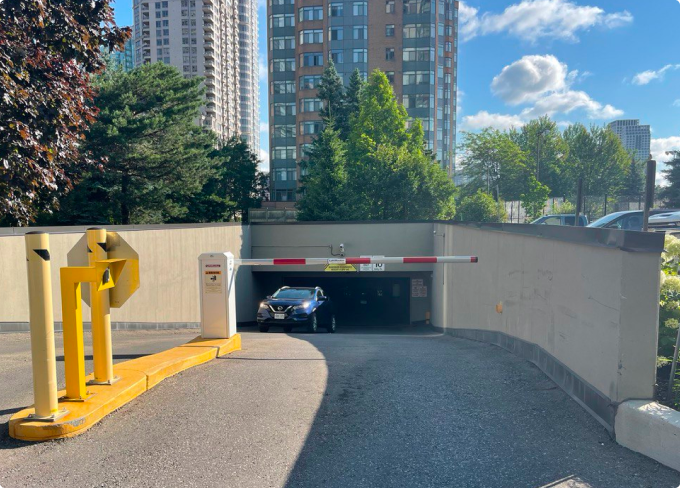

Automatic Barriers
Automatic barriers are essential for controlling vehicle access in various settings, including car parks, private areas, and industrial premises. They offer a reliable and efficient solution for managing entry and exit points, enhancing security, and improving traffic flow.
Benefits of Automatic Barriers
- Enhanced Security: Automatic barriers provide a robust physical barrier that prevents unauthorized vehicle access. They can be integrated with security systems such as CCTV, access control, and license plate recognition for added protection.
- Traffic Management: These barriers help regulate traffic flow, reducing congestion and ensuring smooth entry and exit. They are particularly useful in busy areas like parking lots, commercial complexes, and industrial sites.
- Convenience: Automatic barriers can be operated remotely using various control methods, including pushbuttons, remote controls, sensors, and smartphone apps. This allows for easy and convenient access management.
- Durability: Made from high-quality materials such as steel and aluminum, automatic barriers are designed to withstand harsh weather conditions and frequent use. They offer a long working life with minimal maintenance.
- Safety Features: Modern automatic barriers come equipped with safety features such as obstacle detection, automatic stop mechanisms, and emergency release systems to prevent accidents and ensure safe operation.
Types of Automatic Barriers
- Boom Barriers: These are the most common type of automatic barriers, featuring a horizontal arm that rises to allow vehicle passage. They are ideal for parking lots, toll booths, and restricted areas.
- Sliding Barriers: These barriers slide horizontally to open and close, making them suitable for areas with limited vertical clearance.
- Rising Bollards: These are cylindrical barriers that rise from the ground to block vehicle access. They are often used in high-security areas and pedestrian zones.
Materials and Construction
Automatic barriers are constructed from various materials to ensure durability and reliability:
- Steel: Provides high strength and security. Steel barriers are often galvanized or powder-coated to prevent rust and corrosion.
- Aluminum: Lightweight and resistant to corrosion, aluminum barriers are easy to operate and maintain.
- Composite Materials: Used for specific applications where additional strength or flexibility is required.
Operating Mechanism
Automatic barriers operate using electromechanical or hydraulic systems:
- Electromechanical Systems: These systems use electric motors to drive the barrier arm. They are known for their reliability and ease of maintenance.
- Hydraulic Systems: These systems use hydraulic fluid to move the barrier arm. They are typically used in heavy-duty applications where high performance and durability are required.
Applications
Automatic barriers are versatile and can be used in various settings:
- Car Parks: To control vehicle entry and exit, ensuring only authorized vehicles can access the parking area.
- Industrial Sites: To manage access to restricted areas and improve site security.
- Commercial Complexes: To regulate traffic flow and enhance security for businesses and customers.
- Residential Areas: To provide secure access to gated communities and private properties.
Conclusion
Automatic barriers are a practical and efficient solution for managing vehicle access in various settings. Their robust construction, advanced features, and ease of use make them a valuable addition to any security and traffic management system. With various types and materials available, automatic barriers can be customized to meet specific needs and preferences.