THE DOOR CARE JOURNAL
Five Signs Your Warehouse Door Needs Attention
Learn which changes in warehouse door operation are useful to report before arranging a professional assessment
This guide helps Toronto property managers collect useful information for a commercial door service request. It provides general planning guidance and does not replace an on-site assessment or equipment instructions.
A change in normal movement
A warehouse door that starts moving unevenly or hesitates at the same point deserves attention. Record the symptom from a safe position. Do not repeatedly cycle the door to reproduce the issue; a fault can worsen with continued use. Include the opening location and when the change began in your request.
New sounds during operation
A new grinding, scraping or knocking sound is useful information for a service assessment. Describe when it happens rather than guessing the source. Different mechanical conditions can sound similar, and the full door assembly may need to be considered. If the sound accompanies unstable movement, stop using the opening.
Visible damage around the opening
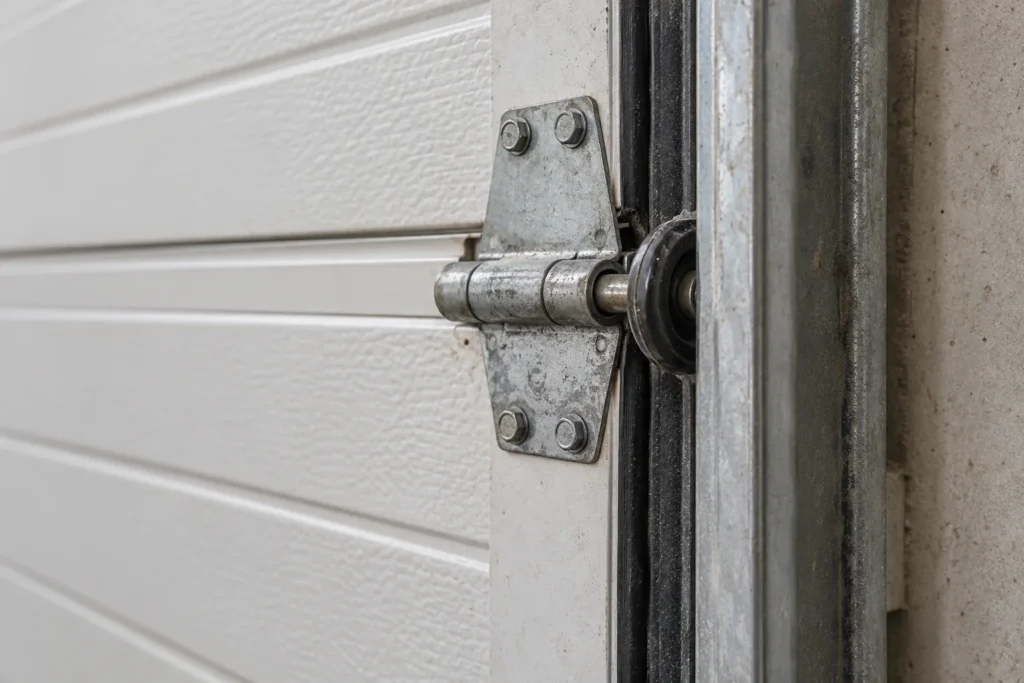
Impact marks, bent sections and damaged guides should be reported even if the door still moves. Photos taken from a safe distance can help explain the issue. Do not straighten a panel or force a guide back into place. Keep vehicle routes clear of the affected opening while the property coordinates its next step.
Gaps and worn seals
Changes in the fit of a closed door may relate to seals, alignment or other conditions. Note where the gap appears and whether weather exposure is a concern. The assessment can determine which work is appropriate. A visible gap is an observation, not proof that a particular part is at fault.
Repeated interruptions
A door that works on one shift and fails on another can still need assessment. Collect consistent reports from staff, including time, operating conditions and any obstruction. Keep earlier service records available. A pattern is more helpful than a report that the door simply “does not work sometimes”.
Before you send a request
- Identify the door and Toronto property location.
- Describe the symptom and its timing.
- Include safe access requirements and the site contact.
- Keep people clear if the opening appears unsafe.
| Information | Why it helps |
|---|---|
| Door type | Provides context for the assessment |
| Operating symptom | Explains what changed |
| Site access | Supports practical planning |
Explore commercial door services and our maintenance checklist. To discuss the next step, send a service request.
To discuss professional service for your property, explore Warehouse Door Repair or Loading Dock Door Repair and share the door details with MS DOOR SYSTEMS.
For equipment issues at a receiving bay, explore our Loading Dock Repair service and describe whether the fault affects the dock leveller, bay door or surrounding equipment.
Frequently asked questions
Can this guide diagnose a door fault?
No. It helps you describe observations and prepare for a professional assessment. The equipment and site conditions must be considered.
What should I do if the door appears unsafe?
Stop using it, keep people and vehicles clear, and follow the property’s reporting procedure to arrange professional assessment.
How do I request service in Toronto?
Use the contact form with your door type, property location, symptoms and contact details. Availability and scope can then be discussed.

Commercial door guidance on warehouse door observations and reporting
Door Care Journal