THE DOOR CARE JOURNAL
Preparing Commercial Doors for a Toronto Winter
Organise records, site observations and seasonal service planning for commercial doors exposed to Toronto weather

This guide helps Toronto property managers collect useful information for a commercial door service request. It provides general planning guidance and does not replace an on-site assessment or equipment instructions.
Review the service record before cold weather
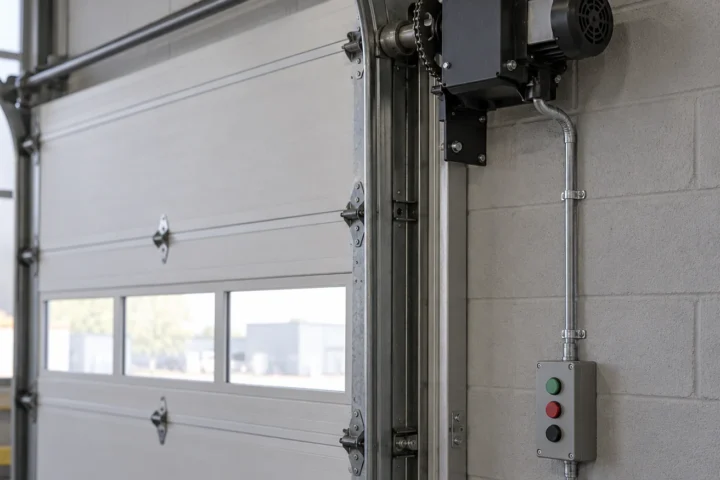
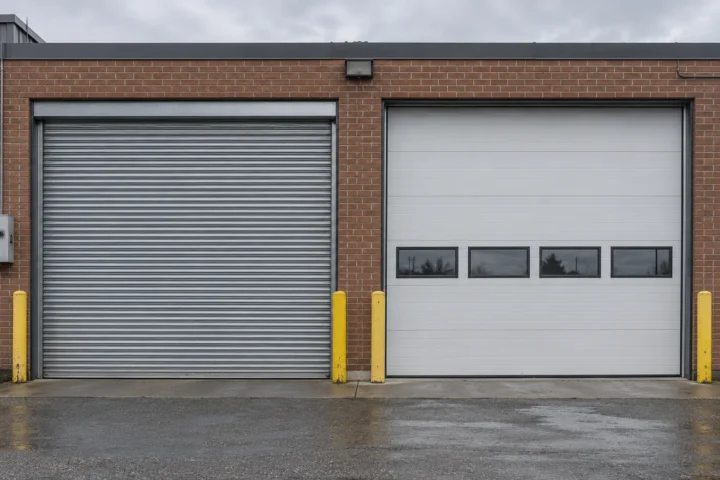
Seasonal planning starts with the equipment you already have. Gather earlier findings, operating complaints and recommendations that remain unresolved. Note the door type and how the opening is exposed to weather. This information helps a provider discuss the service scope without assuming that every commercial door needs identical work.
Observe seals and surrounding conditions
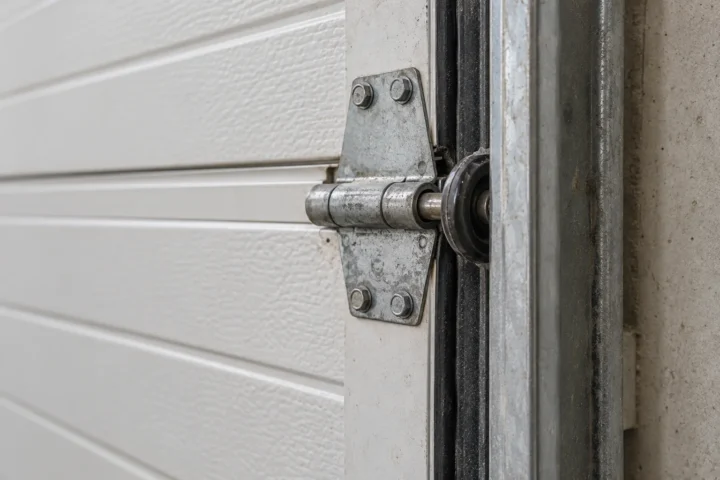
From a safe position, note visible seal wear, gaps around the closed opening and debris in the surrounding area. Report conditions that could affect normal operation. Do not force a stuck door or apply improvised heat to the system. The equipment-specific instructions remain the reference for its operation.
Record weather-related patterns
If a symptom appears after cold or wet conditions, record the timing and the observed behaviour. Weather can provide context, but it does not establish the cause of a fault. Avoid repeated testing. A door that becomes unstable or moves unevenly should be taken out of use and assessed professionally.
Coordinate facility access
Discuss receiving schedules, vehicle traffic and site access before a seasonal visit. The facility team should decide how an opening can be taken out of use under its own procedures. Keep safety requirements in place while coordinating deliveries. Do not bypass a device to keep a door operating during a busy period.
Plan follow-up rather than assumptions
Ask for a record of findings and any further work recommended. Review unresolved issues with the property contact. Preventive maintenance supports informed planning, but does not guarantee that no fault will occur. Keep operating instructions and reporting procedures available to staff throughout the season.
Before you send a request
- Identify the door and Toronto property location.
- Describe the symptom and its timing.
- Include safe access requirements and the site contact.
- Keep people clear if the opening appears unsafe.
| Information | Why it helps |
|---|---|
| Door type | Provides context for the assessment |
| Operating symptom | Explains what changed |
| Site access | Supports practical planning |
Explore commercial door services and our maintenance checklist. To discuss the next step, send a service request.
To discuss professional service for your property, explore Preventive Door Maintenance or Sectional Door Repair and share the door details with MS DOOR SYSTEMS.
Frequently asked questions
Can this guide diagnose a door fault?
No. It helps you describe observations and prepare for a professional assessment. The equipment and site conditions must be considered.
What should I do if the door appears unsafe?
Stop using it, keep people and vehicles clear, and follow the property’s reporting procedure to arrange professional assessment.
How do I request service in Toronto?
Use the contact form with your door type, property location, symptoms and contact details. Availability and scope can then be discussed.

Commercial door guidance on seasonal facility planning and door safety
Door Care Journal