THE DOOR CARE JOURNAL
Rolling Steel or Sectional: Choosing a Commercial Door
Compare door construction, opening needs and facility use before discussing a commercial door installation
This guide helps Toronto property managers collect useful information for a commercial door service request. It provides general planning guidance and does not replace an on-site assessment or equipment instructions.
Begin with the opening and its use
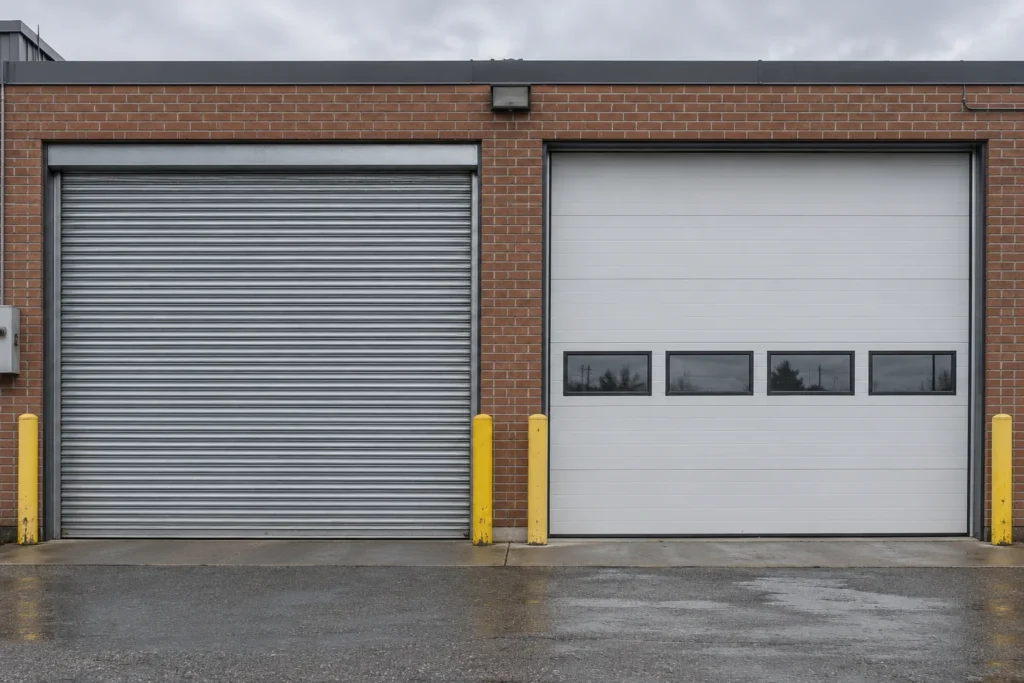
Rolling steel and sectional doors have different construction and space requirements. Start by documenting the opening dimensions already available in property records, how the door is used and what access the facility needs. A door choice should fit the building and operation rather than a single preference for appearance.
Understand sectional construction
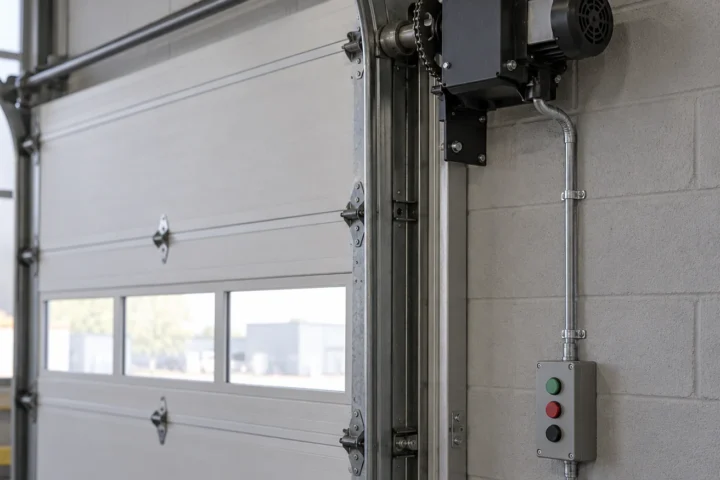
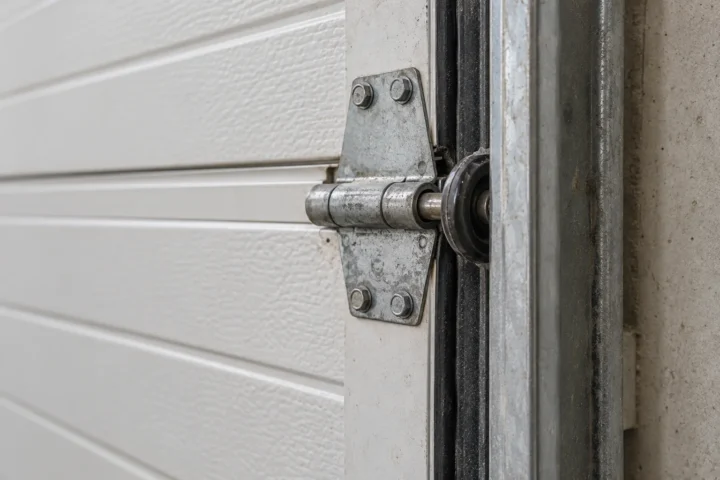
A sectional door uses connected sections that travel along a track system. This can be suitable for many commercial openings, but clearances and operating requirements need to be assessed for the actual installation. Discuss insulation needs, traffic and compatible controls with the provider. Avoid assuming all sectional systems use interchangeable hardware.
Understand rolling steel construction
A rolling steel door uses a curtain that travels within side guides and coils above the opening. The arrangement can suit certain security and commercial access needs. Ask about the proposed curtain, guides and operating method. The suitability of a particular assembly depends on the opening and the agreed requirements.
Compare installation scopes
Review what each proposal includes. Door construction, operating equipment, removal of the existing system and building-related work may be priced separately. Ask which assumptions were made about access and structural conditions. Compare complete scopes before deciding which solution is most appropriate for your property.
Plan ongoing care
Both door types benefit from suitable operating instructions and maintenance planning. Keep records for the equipment actually installed. Staff should understand how to report symptoms and when to take an unsafe door out of use. A maintenance plan should be discussed in relation to usage and condition rather than an unsupported universal interval.
Before you send a request
- Identify the door and Toronto property location.
- Describe the symptom and its timing.
- Include safe access requirements and the site contact.
- Keep people clear if the opening appears unsafe.
| Information | Why it helps |
|---|---|
| Door type | Provides context for the assessment |
| Operating symptom | Explains what changed |
| Site access | Supports practical planning |
Explore commercial door services and our maintenance checklist. To discuss the next step, send a service request.
To discuss professional service for your property, explore Commercial Door Installation or Commercial Door Replacement and share the door details with MS DOOR SYSTEMS.
Frequently asked questions
Can this guide diagnose a door fault?
No. It helps you describe observations and prepare for a professional assessment. The equipment and site conditions must be considered.
What should I do if the door appears unsafe?
Stop using it, keep people and vehicles clear, and follow the property’s reporting procedure to arrange professional assessment.
How do I request service in Toronto?
Use the contact form with your door type, property location, symptoms and contact details. Availability and scope can then be discussed.

Commercial door guidance on commercial door systems and comparisons
Door Care Journal